

How Blockchain Can Clean Up Agricultural Water

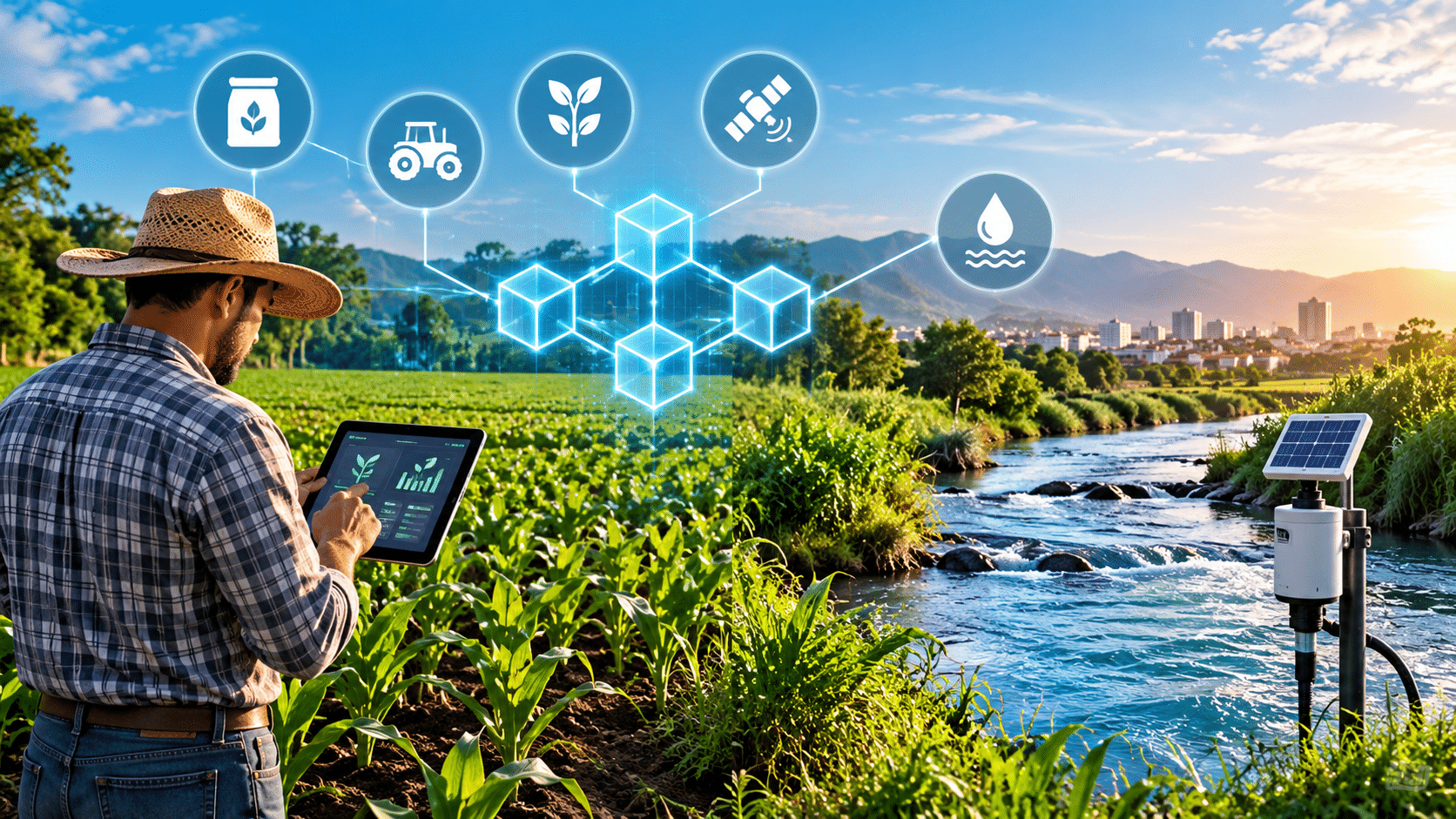
Water is the lifeblood of agriculture, but global farming faces a quiet, structural crisis: water quality degradation. Runoff laden with nitrogen fertilizers, synthetic pesticides, and animal waste routinely leaches into local aquifers and surface water bodies. In regions like Mexico, this agricultural byproduct directly compromises municipal drinking water supplies and pristine natural ecosystems.
Decades of underinvestment, combined with fragmented supply chains, delayed testing, and easily manipulated centralized databases, have made tracking agricultural pollution incredibly difficult. Traditionally, municipalities have been left playing defense against contaminated tap water. Enter blockchain technology—the foundational ledger that is transforming how we track, manage, and protect our most vital resource.
The Power of an Immutable Ledger
Blockchain’s core strength lies in its decentralized, tamper-proof nature. When paired with Internet of Things (IoT) water sensors, it creates an unalterable record of environmental data.
- Real-Time Accountability: Smart sensors measure critical parameters like pH, dissolved oxygen, salinity, and chemical pollutants, streaming this data directly onto a blockchain. Because the ledger cannot be altered by a central authority or a single entity, the data remains an absolute source of truth.
- Automated Compliance: Through automated smart contracts, the second a contaminant spikes past safe legal thresholds, instant alerts are dispatched to regulators and downstream communities. There is no room for human error or corporate cover-ups.
Tiered Accountability: The Connected Farmer App
While the theoretical framework of blockchain is powerful, execution requires accessible on-the-ground platforms. This is where the global AgTech platform Dimitra is leading the charge. The Dimitra Protocol bridges data science, AI, satellite imagery, and blockchain to help smallholder farmers optimize their resources through its Connected Farmer application.
By serving as an accessible mobile portal for farmers on the ground, the app acts as a data-collection gateway that operates across three distinct levels of accountability:
- The Individual Farm: Farmers log exactly what chemicals, fertilizers, and pesticides they apply, when they apply them, and in what quantities. This grants individual producers granular visibility over their input costs and environmental footprint.
- The Cooperative Level: By aggregating data across local farming groups, cooperatives can track regional chemical trends, identify which zones are over-applying inputs, and proactively mentor members on regenerative habits before runoff begins.
- The Government & Regulator Level: With anonymized, blockchain-backed data, municipal and national governments gain a macro-view of agricultural chemical density. This enables authorities to track compliance with environmental laws without relying on slow, manual audits.
Solving Municipal Crises Through Data Fusion
The real magic happens when tiered chemical tracking is blended with other critical datasets. By combining on-the-ground chemical logs with soil tests, satellite analysis, and IoT sensor streams, the system creates a comprehensive ecosystem model.
For instance, satellite imagery can detect early signs of crop stress or soil erosion, while laboratory soil tests reveal the exact nutrient deficiencies of a plot. When a predictive AI analyzes these pieces together, it can tell a farmer precisely how much nitrogen to apply—and when to hold off because an upcoming rainstorm would simply wash the chemicals into the municipal supply.
Real-world deployments highlight the massive impact of this precision framework. In agricultural pilots, Dimitra’s digital platform utilized soil mapping and advanced decision-support software to help farmers dynamically adjust inputs. The result was a staggering 30% reduction in irrigation water use and a 25% decrease in chemical fertilizers and pesticides. Less chemical application directly translates to cleaner, safer local water tables.
Transparency Breeds Sustainability
By anchoring this fused data on an immutable blockchain ledger, downstream cities gain a proactive early-warning system. Municipal water managers can cross-reference upstream agricultural data with real-time water quality shifts, pinpointing exactly which farming sectors or practices are driving local pollution.
Resolving agricultural water quality issues requires moving past guesswork. By combining blockchain’s unchangeable record-keeping with Dimitra’s actionable farm-management data, the agricultural industry can dramatically reduce its environmental footprint. Empowering farmers with these tools doesn’t just improve crop yields—it actively safeguards the drinking water of millions.



Responses