

Navigate the Accelerating Pace of Technological Change

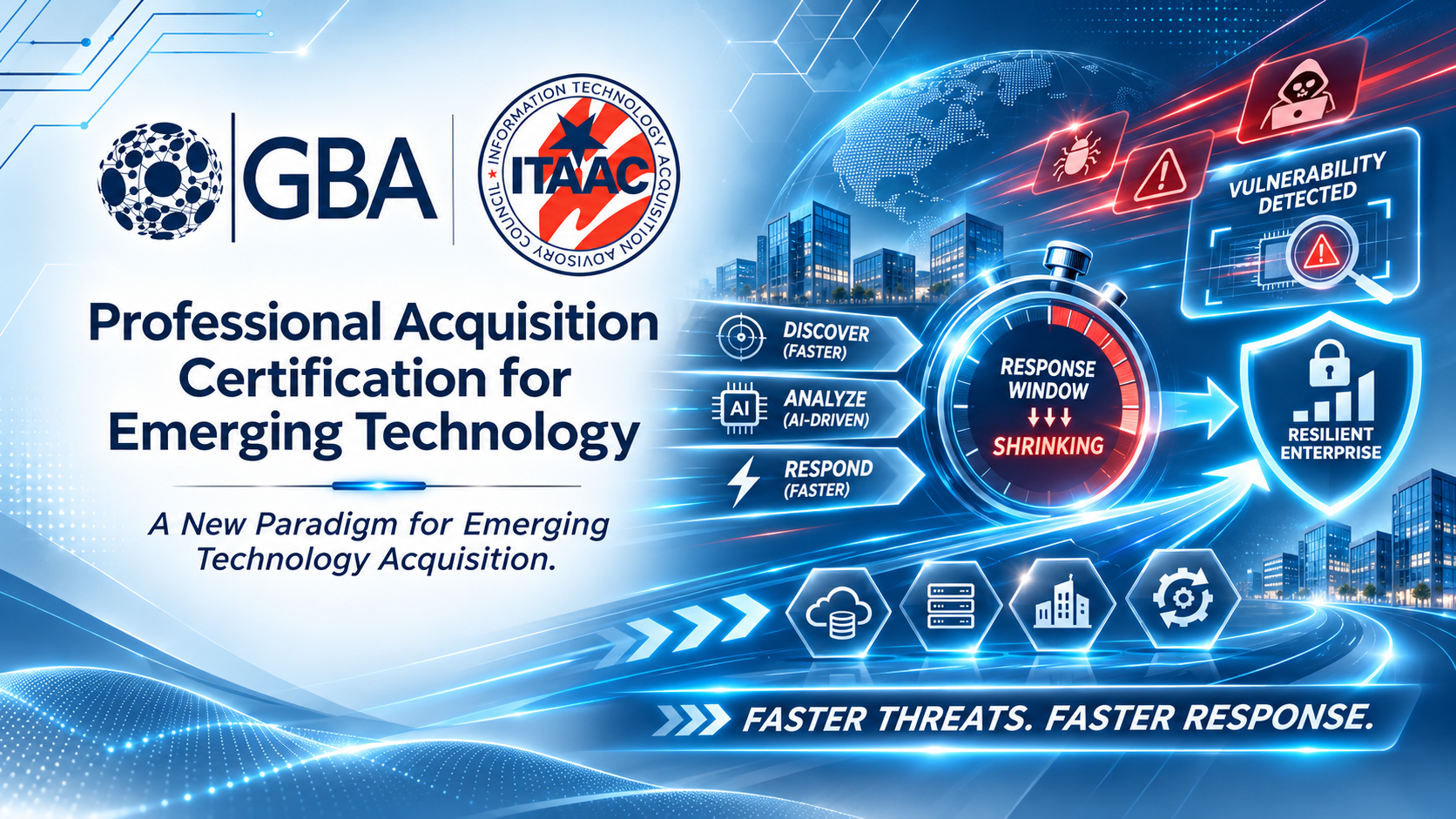
Faster Threats. Slower Responses. Why Enterprises Need a New Technology Paradigm.
During November 2026, a series of major technology outages disrupted services at Microsoft, Amazon Web Services, Workday, JPMorgan Chase, United Airlines, Apple, and even U.S. government agencies. These incidents affected banking transactions, airline operations, business communications, cloud services, and other critical functions.
While the outages had different causes and there is no established evidence of a coordinated cyberattack, they exposed a troubling reality: Even the world’s most sophisticated organizations are vulnerable to failures in the complex technology infrastructure on which modern society depends.
These disruptions come at a time when artificial intelligence is fundamentally changing the cybersecurity landscape.
AI can analyze enormous amounts of software code and identify previously unknown vulnerabilities in technologies used by thousands of organizations. Malicious actors may increasingly use these capabilities to discover and exploit weaknesses in widely deployed software components at unprecedented speed and scale.
At the same time, enterprises depend on formal change management processes to maintain operational stability. Correcting a vulnerability may require software development, integration testing, regression testing, security reviews, multiple approvals, and scheduled production deployments.
These procedures exist for good reasons. Rushing inadequately tested changes into production can cause the very outages organizations are trying to prevent.
But what happens when AI enables vulnerabilities to be discovered and exploited in hours while enterprise processes require days or weeks to implement corrective changes?
Organizations face a growing dilemma. Moving too slowly increases exposure to cyberattacks. Moving too quickly increases the risk of operational failures.
A New Paradigm Is Needed
Traditional approaches to acquiring, implementing, and managing technology were developed in an environment where technological change was comparatively predictable.
That environment is disappearing.
AI, blockchain, quantum computing, and other emerging technologies are creating extraordinary opportunities. They are also introducing unfamiliar risks, new dependencies, and challenges that established enterprise processes may not be equipped to address.
Organizations cannot simply abandon governance, testing, and accountability in pursuit of speed. But neither can they assume that processes designed for yesterday’s technology environment will remain adequate tomorrow.
The challenge is no longer simply acquiring secure and reliable technology. It is acquiring technology that can remain secure and reliable while continuously adapting to rapidly evolving threats and opportunities.
That requires a new paradigm.
Enterprises must rethink how they evaluate technologies, establish requirements, select vendors, manage dependencies, and measure operational maturity. They must place greater emphasis on adaptability, resilience, and the ability to respond rapidly without compromising essential operations.
Importantly, many of these capabilities are determined long before a system goes into production. They are influenced by the decisions made when technologies are acquired and contracts are established.
Introducing PACET: Preparing Organizations for a New Technology Environment
Recognizing these challenges, the Government Blockchain Association (GBA), in collaboration with the Information Technology Acquisition Advisory Council (IT-AAC), is developing the Professional Acquisition Certification for Emerging Technology (PACET) program.
PACET aims to equip public- and private-sector acquisition professionals with the knowledge and skills needed to navigate the accelerating pace of technological change.
The program recognizes that traditional acquisition practices must be supplemented with a deeper understanding of emerging technologies, their operational risks, and their rapidly evolving capabilities.
The goal is to help organizations make better technology investments, establish more effective requirements, evaluate technological maturity, and acquire solutions capable of adapting to changing conditions.
PACET is not intended to replace existing acquisition processes. It is intended to help professionals apply those processes more effectively in a technology environment that increasingly demands new ways of thinking.
The objective is not simply to purchase tomorrow’s technology. It is to prepare organizations to operate successfully in tomorrow’s world.
Help Shape the Future of Technology Acquisition
GBA and IT-AAC are inviting government officials, acquisition professionals, technology providers, cybersecurity experts, educators, and industry leaders to participate in developing the PACET program.
We are looking for individuals and organizations willing to contribute their expertise, help shape the curriculum, and support an initiative designed to address one of the most pressing challenges facing modern enterprises.
To participate:
The pace of technological change is accelerating. The opportunities are enormous, but so are the risks.
We cannot address tomorrow’s challenges by relying exclusively on yesterday’s assumptions. A new paradigm is needed, and the time to build it is now.





Responses