

Standards & Assurance Resources
The centerpiece of the DC-BAS is the Blockchain Maturity Model (BMM)
The BMM is a framework to evaluate the trustworthiness of blockchain solutions. It is a comprehensive and detailed structure that provides a roadmap to solution developers while providing confidence to investors, customers, and acquisition officials in blockchain solutions. Solutions that have been assessed by BMM Assessment Partners are publicly posted on a directory of “Trsuted Blockchain Solutions” that is showcased by the Dynamic Coalition on Blockchain Assurance & Standardization recgnized by the United Nations IGF. In addition to the BMM, GBA Working groups are developing a suite of BMM Supplements that are applicable to specific industries. They include:
- Artificial Intelligence
- Banking & Financial Services
- Gaming
- Healthcare
- Voting
- And, many more will be developed over the next year.
Dynamic Coalition Publications
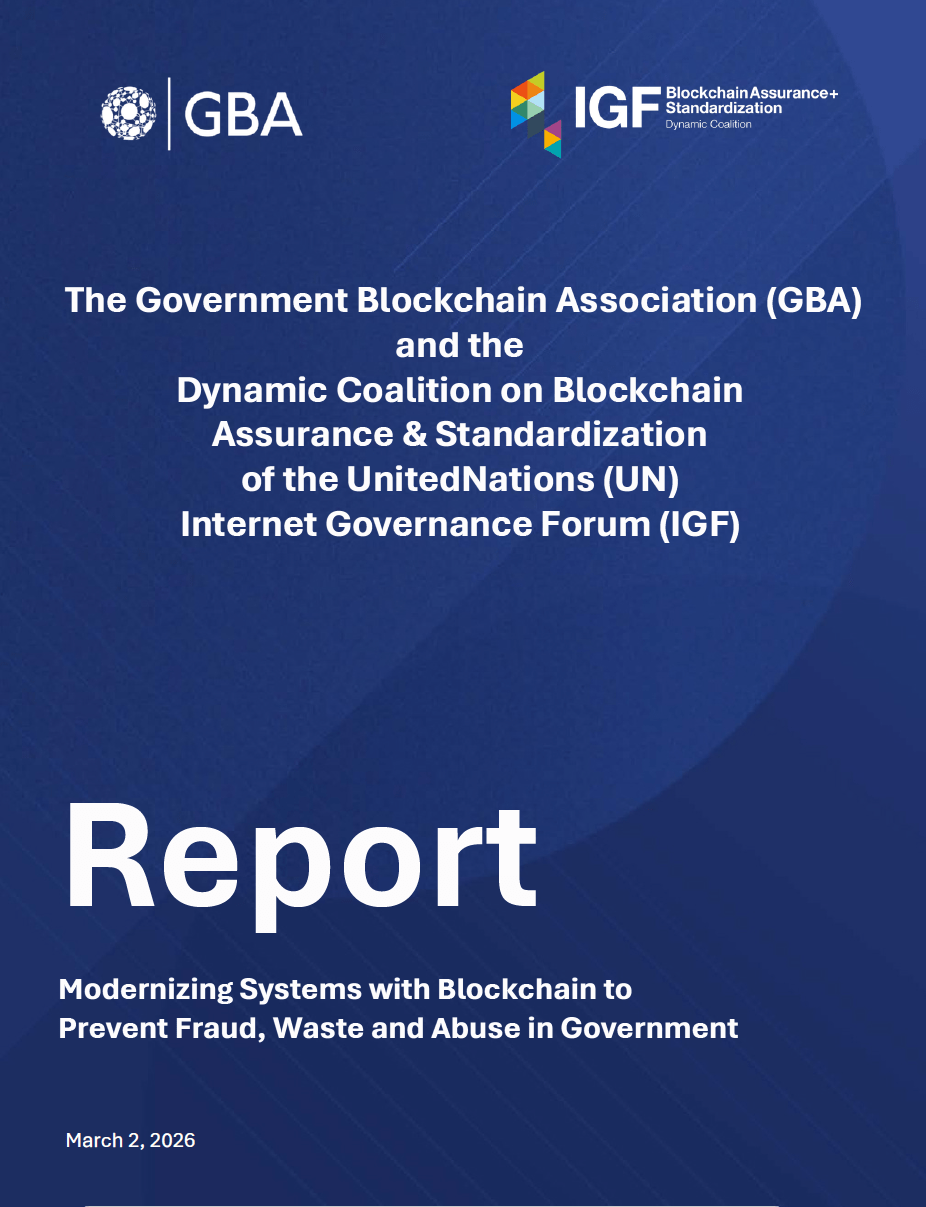
Modernizing Systems with Blockchain to Reduce Fraud, Waste and Abuse in Government presents a comprehensive analysis of how blockchain technology, often combined with artificial intelligence, can strengthen transparency, accountability, and efficiency in government financial systems. The report highlights systemic challenges in public-sector financial management, including fragmented legacy systems, limited real-time oversight, reactive auditing practices, and vulnerabilities to fraud that may cost governments hundreds of billions annually.
Through detailed global use cases from U.S. Department of Defense logistics and Department of Energy grant oversight to UN humanitarian aid distribution, digital pension verification, land registries, and motor vehicle title management, the report demonstrates how blockchain’s immutable, time-stamped, and auditable ledgers can provide end-to-end traceability, automate compliance through smart contracts, and shift oversight from retrospective detection to proactive prevention. While technical feasibility has been proven in multiple pilots, the report emphasizes that cultural resistance to transparency and institutional inertia remain significant barriers, concluding that blockchain adoption can play a pivotal role in achieving stronger institutions aligned with UN Sustainable Development Goal 16.6.
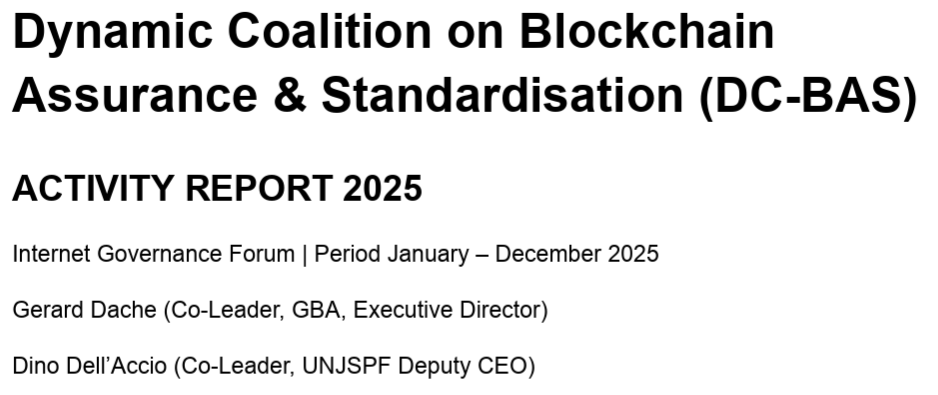
This document describes the activities of DC-BAS in 2025 in accordance with standard requirements of UN IGF DCCG
Member Publications
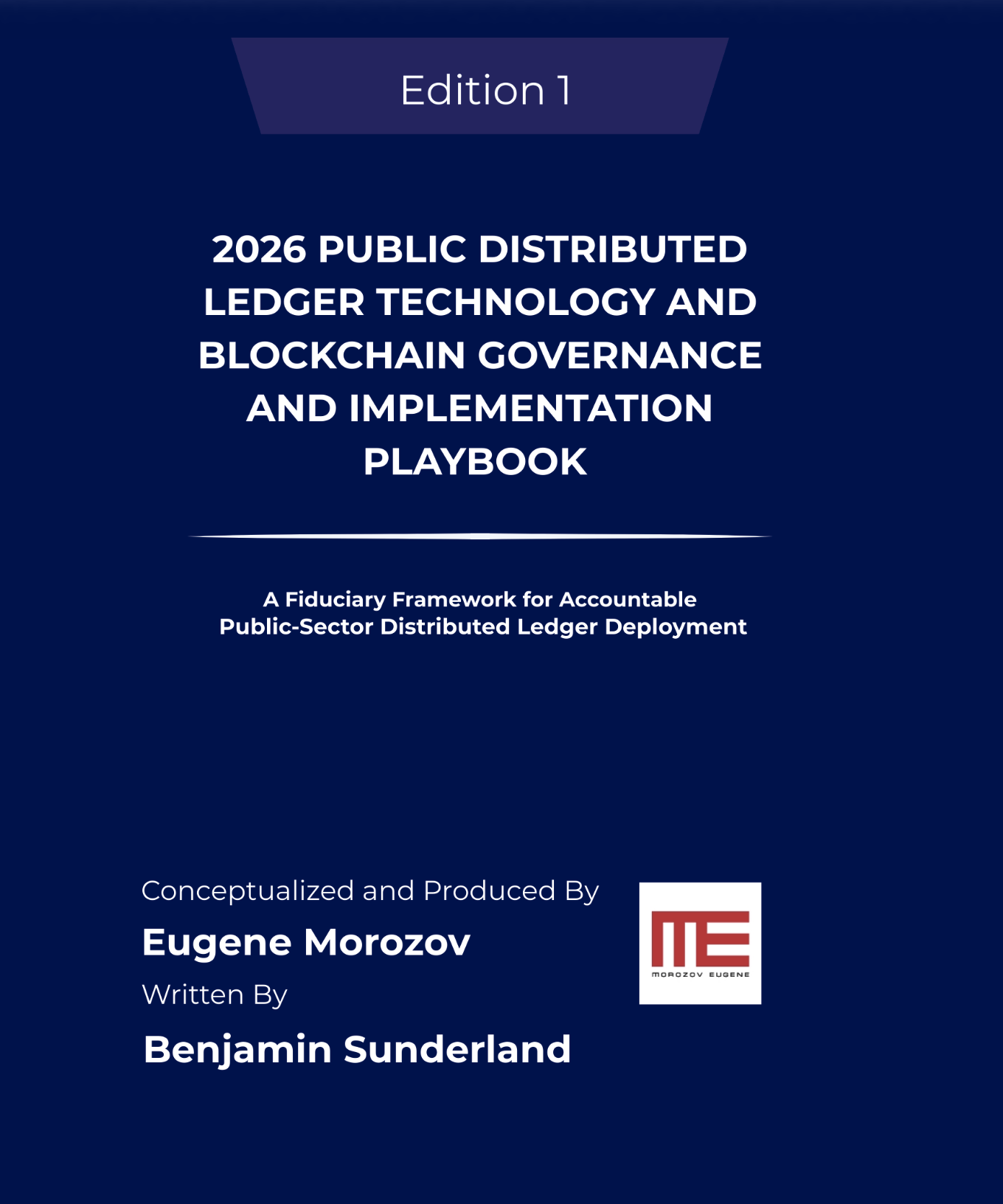
The 2026 Public DLT and Blockchain Governance and Implementation PlayBook establishes a governance-first, evidence-driven framework for public-sector institutions considering, evaluating, or operating distributed ledger technologies (DLT). It is designed for senior decision-makers, auditors, regulators, procurement authorities, and program sponsors who bear fiduciary responsibility for public funds, statutory compliance, and institutional continuity.
This PlayBook does not advocate for blockchain adoption as a modernization default. Instead, it defines the conditions under which DLT systems may be responsibly justified, governed, tested, deployed, and—when evidence fails—paused or reversed without compromising legality, accountability, or public trust. Blockchain deployment is treated as a hypothesis requiring proof, not an inevitable technological progression.